Meer dan 500 mensen hebben deelgenomen aan de conferentie ‘Recycle Nutrients for Clear Waters’ in Finland op 20 april in Helsinki ter ere van een €12 miljoen nationaal en Baltisch nutriëntenrecycling programma. Dit programma, gelanceerd door de Finse minister van landbouw en milieu Kimmo Tiilikainen, loopt van 2016 tot 2018.
STOWA heeft een nieuw rapport gepubliceerd over de resultaten van pot- en veldonderzoek naar de landbouwkundige waarde van struviet in kansrijke afzetmarkten. Hierin is de landbouwkundige waarde van struviet vergeleken met die van gangbare meststoffen. De potproeven zijn uitgevoerd met verschillende gewassen zoals ijsbergsla, gladiolen, dijkengras, en het boomkwekerijgewas Elaechnes (Olijfwilg). Een conclusie die getrokken wordt in het rapport is dat struviet een vergelijkbare werking heeft als die van kunstmest en organominerale meststof.
Op 16 juni zal de kick-off workshop van de ARREAU Struvite Recovery & Recycling Learning Alliance (SRRLA) plaatsvinden bij het Omzetpunt Amersfoort (Neonweg 30). De workshop is voor organisaties die struviet terugwinnen en voor organisaties die dit beogen. Tijdens deze dag zullen operators uit heel Europa praktische ervaringen delen. Tevens is er kans om meer te leren over bestaande recycling technieken.
Op 17 juni wordt de tweede energie- en grondstoffenfabriek van Waterschap Vallei en Veluwe geopend: Omzetpunt Amersfoort. Dit is de eerste rioolwaterzuiveringsinstallatie in Europa die gebruik maakt van de Pearl technologie om kunstmest te produceren.
Timac Agro, vers lid van het Nutrient Platform, stelt zich voor Timac Agro is onderdeel van de internationale Groep Roullier. In Nederland wordt gewerkt vanuit twee divisies. Voor de Veeteeltdivisie bestaat het assortiment uit dierhygiëneproducten en diervoeding. In de divisie Plantenteelt is Timac Agro een sterke partner met haar unieke bodemverbeteraars, eco efficiënte meststoffen, precisie-starters en vloeibare plantversterkers.
ICL heeft aangekondigd een technologie in gebruik te nemen waarmee hoogwaardige fosfaat producten kunnen worden teruggewonnen uit afvalwater. De RecoPhos technologie stelt ICL in staat om afvalwaterzuiveringsslib om te zetten in waardevolle grondstoffen. Hierdoor is het mogelijk om geïmporteerd fosfaat dat nu gebruikt wordt - en veel energie kosten - te vervangen, wat bijdraagt aan de transitie naar een circulaire economie. De aankoop bij SGL Carbon GmbH maakt het voor ICL mogelijk om verschillende vormen van fosfaat uit afval te gebruiken voor nieuwe producten.
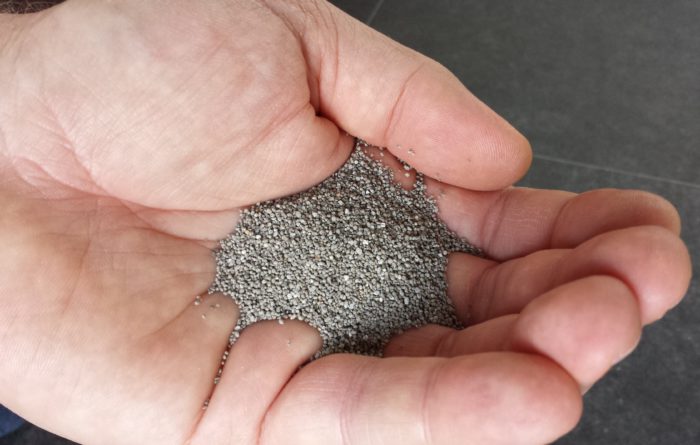
Door fosfaat afkomstig uit de verwerking van landbouwproducten te gebruiken geeft Timac Agro, onderdeel van de Franse ‘Groupe Roullier’, een boost aan het gebruik van teruggewonnen fosfaat voor bemestingsproducten. Timac Agro ambieert om met zoveel mogelijk circulaire gesloten kringlopen te werken en Physiostart P Plus is hier een voorbeeld van.
Op 8 maart heeft de Tweede Kamer de motie van Remco Dijkstra (VVD) en Agnes Mulder (CDA) betreffende de einde afvalstatus van nutriënten aangenomen. Ook is er ingestemd met de motie van Agnes Mulder waarin de kwaliteit van een grondstof voorop wordt gesteld in plaats van de herkomst. De moties waren naar aanleiding van het VAO Circulaire Economie (op 17 december) aangehouden, en zijn op 8 maart opnieuw ter stemming gebracht en aangenomen.